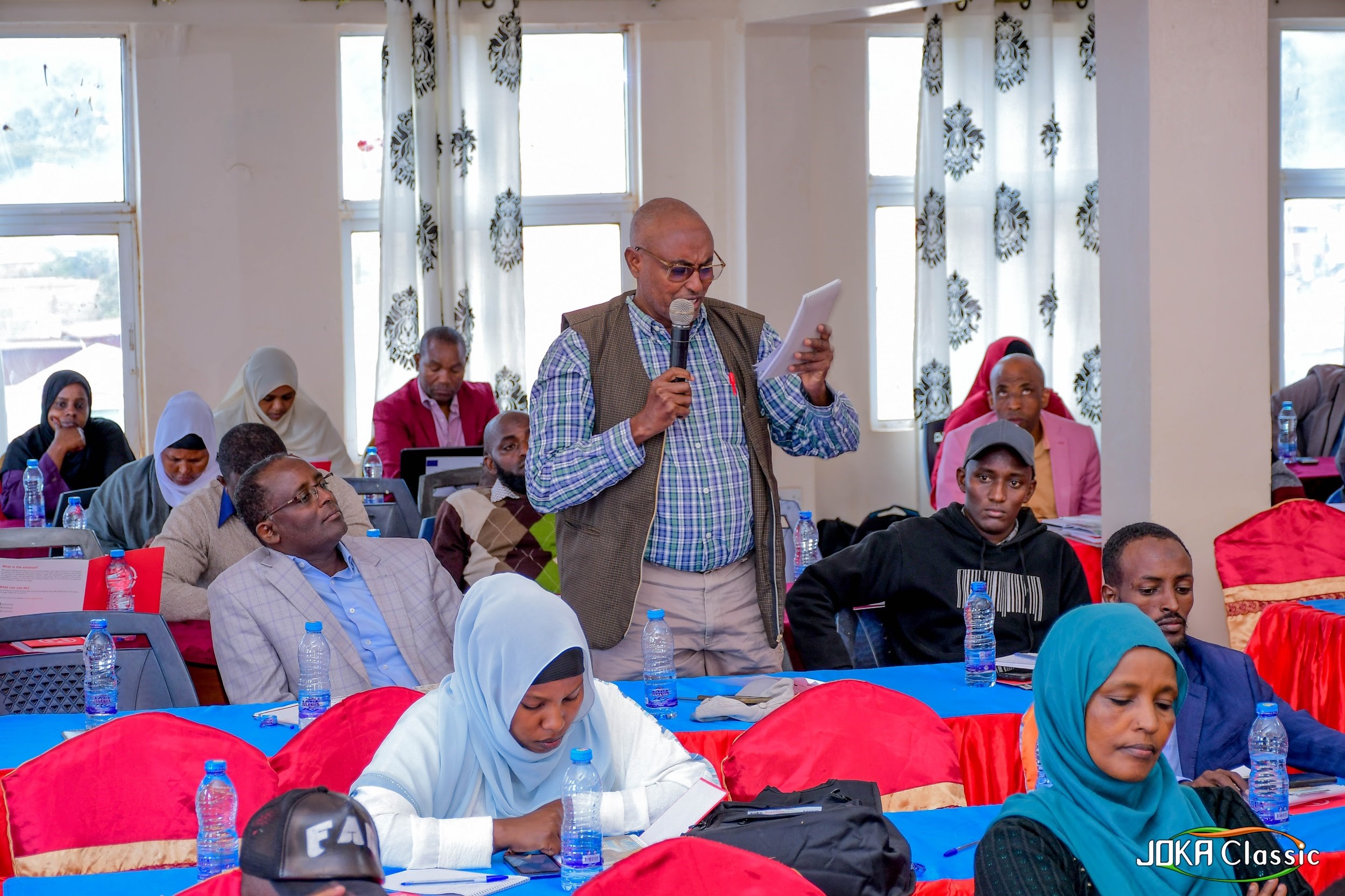
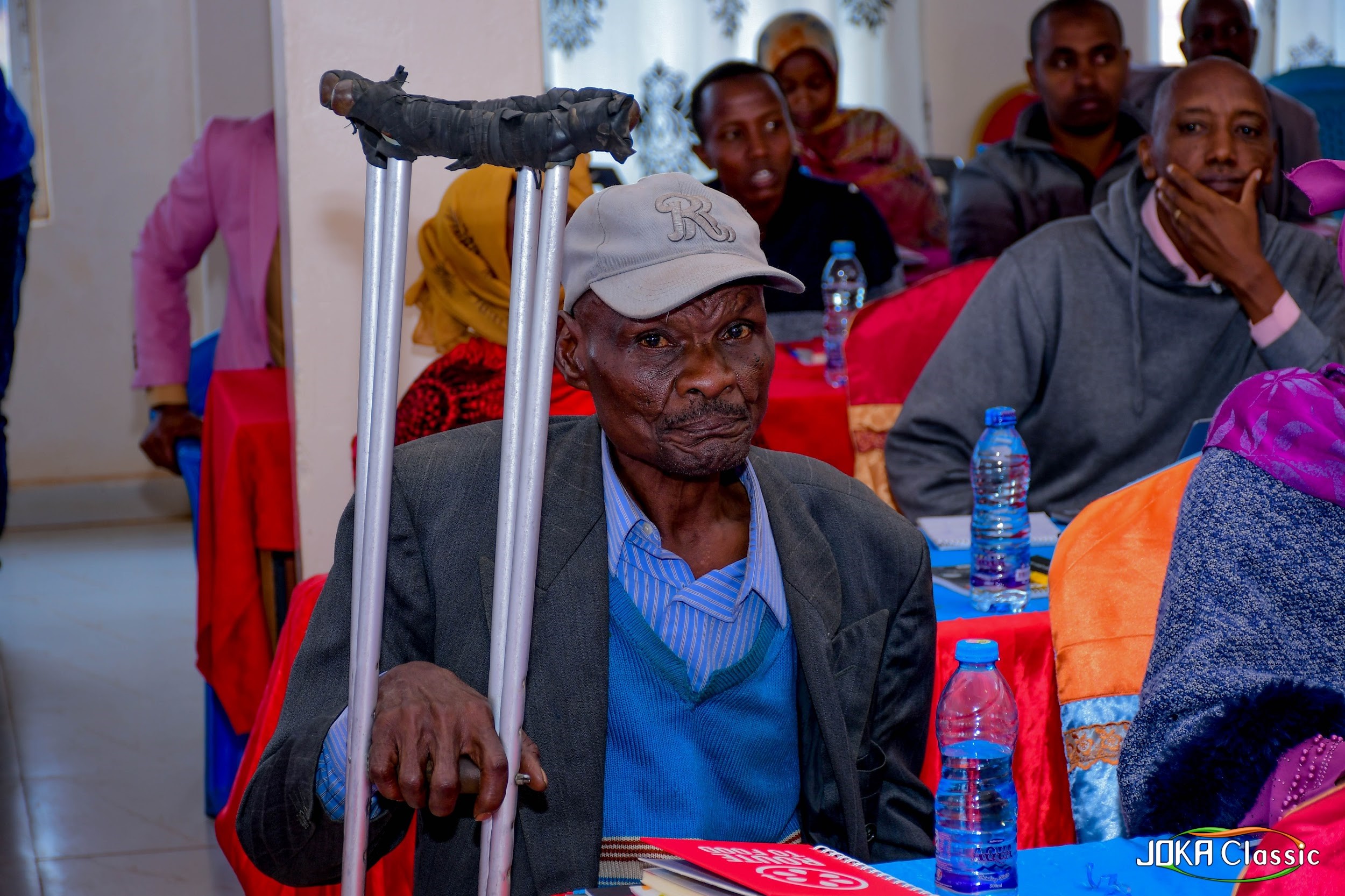
Nairobi, Kenya, December 9, 2024 - The Route to Food Initiative (RTFI), a programme of the Heinrich Böll Foundation, is proud to launch Kenya’s first-ever Farmers Resource Guide on alternatives to Highly Hazardous Pesticides (HHPs). This is a groundbreaking tool designed to support sustainable and pesticide-free farming. The guide is written by farmers, for farmers, and offers practical steps to grow healthy, nutritious food—while protecting human health, the environment, and future generations.
The guide, titled Farmers Resource Guide: Achieving Food Production without Toxic Pesticides, provides clear, actionable instructions on adopting agroecological principles, improving soil health, and controlling pests and diseases without relying on harmful chemicals. It builds on the findings of the 2023 Heinrich Böll Foundation report, Toxic Business: Highly Hazardous Pesticides (HHPs) in Kenya, which revealed that 76% of pesticides used on Kenyan farms are highly hazardous, posing severe risks to human health and the environment.
Joachim Paul, Director of the Heinrich Böll Foundation in Nairobi, emphasized the importance of transitioning to safer farming practices, stating, “Food production systems that rely heavily on pesticides harm the environment and pose serious health risks to farmers, their families, and consumers. This guide serves as a beacon of hope, proving that it is possible and practical to grow food without relying on highly hazardous pesticides—disproving the long-standing narrative that farming without pesticides is unattainable.”
The guide includes easy to follow strategies for preventing pest and diseases to become a problem by building healthy soils, leveraging biodiversity to naturally deter pests, and creating eco-friendly pest control solutions using natural resources. It also provides crop-specific approaches for staple crops like maize and vegetables like tomatoes, cabbages and leafy greens, alongside cultural practices such as crop rotation, mulching, and intercropping to enrich soils and build resilience.
The decision by Pest Control Products Board (PCPB) to ban certain active ingredients by the end of 2024, is supported by many famers, consumers and NGOs. This manual shows that it is possible. Dr. Harun Warui, Lead Programme Coordinator for Food Rights and Agroecology at the Heinrich Böll Foundation, supports this move, stating, “Many Kenyan farmers we have worked with welcome this decision PCPB. Alternatives have always existed, and this Farmers Resource Guide proves that safe and sustainable farming is achievable.
Co – author and lead scientist of the resource guide Dr. Silke Bollmohr, supported this statement saying “I support the decisions by PCPB to ban certain pesticides in Kenya which have also been banned in countries of their origin. This manual shows that it is possible famers especially in Kenya don’t need harmful pesticides. PCPB is on the right track.
For many years, farmers have been made to believe that growing food without pesticides is a mirage. This notion is a myth perpetuated by agrochemical companies and some media outlets to promote pesticide use in the country. Integrated Pest Management (IPM) and agroecological approaches, such as crop rotation and organic farming and more, have been proven effective alternatives, providing long-term benefits for both yields and environmental health. These approach emphasize the potential for Kenyan farmers to succeed without relying on harmful pesticides by adopting informed, eco-friendly farming methods.
“The notion that withdrawing these active ingredients will cause a food production crisis is misleading” says Sylvia Kuria, an organic farmer from Ndeiya. As an organic farmer for years I know it’s possible to grow food without toxic pesticides and how effective it is. I am very happy to share my experiences in this farmers guide as one of the authors.”
In addition to supporting farmers, the guide seeks to influence policymakers and agricultural stakeholders by advocating for safer and more sustainable farming practices. The Route to Food Initiative calls on the Kenyan government, agrochemical companies, and civil society organizations to work together to create a resilient and sustainable food system that prioritizes the health of farmers, consumers, and the environment.
Media Contact:
Faiba Kombo
Proramme Coordinator, Communications
Heinrich Böll Foundation in Kenya Email:faiba.komb@ke.boell.org
Phone: 0720871511
Notes to editor.
About the Heinrich Böll Foundation, Kenya | Uganda | Tanzania
The Heinrich Böll Foundation, Nairobi office programme seeks to advance progressive political and socio-economic transformation through its thematic focus on Sustainable Development, Gender Democracy, Dialogue and Civic Spaces, Agroecology and Food Rights. To amplify our programme work, we support coordinated civic engagement and political/policy dialogues, research, publications and strategic communication. You can find out more on https://ke.boell.org/en
ABOUT THE ROUTE TO FOOD INITIATIVE (RTFI)
The Route to Food Initiative (RTFI) is part of the Agroecology & Food Rights Programme at the Heinrich Boell Foundation, based in Nairobi, Kenya. We work to advance the right to adequate, sufficient, and healthy food. You can find out more on www.routetofood.org.
In a formal and enlightening discussion held recently, a diverse range of interconnected points were brought to the forefront, offering a comprehensive view of the challenges and opportunities surrounding food security and livelihoods in a region marked by distinct characteristics and complexities. The panel discussions delved deep into these matters, bringing together experts, community leaders, and stakeholders to illuminate the intricate dynamics at play.
The discussions began by addressing the redirection of funds and the vital need for accountability to the community. This highlighted the importance of transparency and responsibility in ensuring that allocated resources effectively contribute to improving food security and livelihoods.
Dr. Hassan's perspective on pastoralism as an old system introduced an historical dimension to the conversation, offering insights into the region's traditional practices. This further amplified the need to harmonize modern practices with traditional methods to ensure sustainable stewardship of pastoral nomadism.
The panelists stressed that policies should not remain generic concepts but must translate into actionable initiatives. They emphasized the need to transition from policy formulation to effective implementation, acknowledging that pastoralism is an evolving concept that requires adaptive strategies. The interconnectedness of various policies was also highlighted, underlining the importance of a holistic approach.
Challenging the conventional notion of water scarcity as the sole issue, the discussions delved into the impact of settlements around water points. These settlements were shown to disrupt traditional practices such as transhumance and rangeland management, ultimately affecting the ecological balance.
Recognizing the value of indigenous knowledge, particularly spiritual and traditional perspectives, the conversation highlighted the importance of incorporating these insights into formal decision-making processes for a more comprehensive and sustainable approach.
The impact of disease control measures on livestock markets was also highlighted along with the practice of sending livestock straight to the slaughterhouse from Marsabit and the exploitation that happens around livestock purchase. The removal of the restriction of a slaughter-only permit sparked discussion on potential solutions.
Emphasis was also placed on acknowledging the community's intrinsic power to drive positive change, the discussions underlined that food security is a fundamental right that should be accessible to all members of society.
The need for organized markets and efficient water systems were highlighted as key components in achieving sustainable food security and livelihoods.
The value of customary knowledge was recognized as a valuable resource in decision-making processes. The concerns about decision makers not sufficiently respecting local knowledge emphasized the need for inclusive collaboration.
The discussions concluded by affirming the existence of inherent solutions and characterizing pastoralism as a low-input system. The mention of age classes of livestock added depth to the exploration of sustainable livestock management. >
In essence, the panel discussions uncovered a rich tapestry of insights and perspectives on sustainable development, agriculture, water management, and empowerment. By embracing a multi-dimensional approach, the panelists collectively shed light on the complex dynamics impacting food security and livelihoods in the region. These discussions serve as a reminder of the necessity for continued collaboration and innovation to drive positive change in the pursuit of a more secure and prosperous future.
Alliance building amongst civil society actors and citizen initiatives is an important approach to addressing some of the socio-economic, political, and ecological challenges facing Kenyans. Within the global food sovereignty movement, alliances such as La Via Campesina , have demonstrated that bringing together different actors to address a particular issue is a powerful approach to bringing about change.
The Route to Food Initiative (RTFI), inspired by the potential of collective action, has invested in the formation of the Route to Food Alliance. Since 2016, the Alliance has made achievements in highlighting issues to do with food insecurity, unequal power-relations, and the protection of farmer and consumer rights. It has also promoted a rights-based approach to hunger and champions agroecology as a political, social and farm-level response to chronic food insecurity. The Alliance has grown to more than one thousand members from all corners of Kenya. These members have actively participated in various initiatives and activities organized by the Alliance over the years, further cementing its impact and influence.
In a significant development, the Route to Food Alliance recently organized its first annual meeting, bringing together members from different regions of the country. The event was graced by the eminent Prof. Michael Fakhri, the Right to Food Special Rapporteur, who shared invaluable insights as the keynote speaker. This event marked a significant step in the Alliance's journey, fostering collaboration and knowledge sharing among its diverse members.
We acknowledge the recent joint press release by the Pest Control Products Board (PCPB), aak/GROW and Fresh Produce Consortium of Kenya (FPC Kenya) addressing concerns regarding pesticide safety and usage in Kenya. While it is essential to recognize the PCPB's commitment to ensuring pesticide safety, crucial aspects warrant further discussion and clarification.
Assessment Criteria: We appreciate the PCPB's efforts to align with international standards and regulations. However, we also see the need to follow a hazard assessment for registering very toxic pesticides (WHO 1a, WHO 1b, and so-called CMR (carcinogenic, mutagenic and reproduction toxic pesticides)). These hazard assessments focus on the inherent properties of pesticides, regardless of their use patterns. It is essential to strike a balance between risk and hazard assessments to ensure comprehensive safety, as many of the Highly Hazardous Pesticides (HHP) mentioned in the recently launched report Toxic Business: Highly Hazardous Pesticides in Kenya are very toxic, for example, beta-cyfluthrin.
Extended Producer Responsibility (EPR): We agree that the responsible use and handling of pesticides are essential. However, we must acknowledge that the responsibility for safe pesticide use is beyond the farmers' ability. Required mitigation measures like buffer zones to safeguard communities or water resources often can't be implemented. Beyond the responsibility of the farmer, pesticide companies should also play an essential role in ensuring the safe use, disposal and handling of their products through extended producer responsibility (EPR). EPR is now mandatory in Kenya, highlighting the shared responsibility among manufacturers, farmers and regulators to guarantee safe pesticide usage.
Right to Food: We fully acknowledge the importance of balanced pesticide use in securing food production within current agricultural systems. However, we emphasize the need for a balanced approach that ensures food security while minimizing health and environmental risks associated with the Highly Hazardous Pesticides (HHPs). The ripple effect of HHPs is seen in the reduction of Soil microorganisms, killing of pollinators and pollution in our air and water reservoirs.
It is a human right to have access to adequate and safe food, as well as to have access to a safe environment. We encourage PCPB to explore sustainable pest management alternatives that prioritize both crop protection and the long-term health of Kenyan farmers and consumers, and the environment.
The Reason for a Ban of Pesticides: While we acknowledge that some of the pest present in Kenya are not posing a risk to European crop production, we would like to emphasize that most of the pesticides that are banned in Europe are withdrawn from the market because of their unacceptable risk towards the environment and human health and not because of less pest pressure. This is out of rigorous scientific studies to demonstrate the risks. Alternatives to HHP use on specific pest problems in Kenya are already present but need wider communication and application amongst farmers’ communities. We would also like to emphasize that a system change of agricultural production is necessary and not just a substitution from one pesticide to the other, to achieve enough safe food in an enabling environment.
Finally, yet importantly, a collaborative effort among regulatory bodies, farmers, environmentalists and civil society is crucial to finding a balanced and sustainable approach to pesticide use, especially concerning the use of Highly Hazardous Pesticides (HHPs) in Kenya. We remain committed to supporting and ensuring the safety and well-being of Kenyan citizens, safeguarding the environment and upholding food security for the country.
For further inquiries, please contact Email: info(at)routetofood.org. Phone Number: 0720871511.
About us
Biodiversity and Biosafety Association of Kenya (BIBA) - BIBA an association/network of farmer organizations, animal welfare networks, consumer networks; faith-based organizations, Local Non- governmental organization; and community-based groups. (www.bibakenya.org)
Kenya Organic Agriculture Network (KOAN) - KOAN is membership organization with members across the country and unites producers, exporters, traders, NGOs and like minded individuals and organizations in promoting Organic Agriculture in Kenya ( www.koan.co.ke )
Route to Food Initiative - The Route to Food Initiative (RTFI) a programme of the Heinrich Böll Foundation in Kenya promotes the realization of the Right to Food in Kenya through agroecology and food systems transformation. (www.routetofood.org)
Nairobi, Kenya, September 13, 2023 - The Route to Food Initiative (RTFI) a programme of the Heinrich Böll Foundation today released the first ever report based on empirical data on Highly Hazardous Pesticides (HHPs) in Kenya. The report “Toxic Business; Highly Hazardous Pesticides in Kenya” presents analyses on actual data of pesticides used in 2020 in Kenya. It shows that immediate action is necessary to protect human health, the environment, and the right to healthy food in Kenya.
The pesticide market in Kenya has experienced significant growth in recent years. In 2020 farmers in Kenya used a total of 310 pesticide products containing 151 active ingredients during the reporting period. These pesticides were applied to control insects, diseases, and weeds on 26 different crops, resulting in a total expenditure of $72.7 million.
Speaking during the launch of the report, Joachim Paul, Director, Heinrich Böll Foundation Nairobi, noted that “Empirical data is crucial to support the phasing out of Highly Hazardous Pesticides in Kenya. However, official data on national pesticide use is not publicly available. This report addresses this gap”.
Notably, a concerning 63% of pesticides products are categorized as Highly Hazardous contributing to a staggering 76% of the total pesticide volume used. Shockingly, almost half of the pesticides used in Kenya (44%) of the total volume are already banned in the European Union due to their unacceptable risks to human health and the environment. Kenya shouldn’t be any different!
Among the top 30 pesticide products in terms of volume, the majority are HHPs as well. The largely Chinese owned Swiss company, Syngenta leads the pesticides market in Kenya with a 20% market share of which 68% of their products contain HHPs, followed by Bayer AG (15%) of which 84% are HHPs. Corteva Agriscience™ (7.7%), FMC Corporation (5.7%), and Adama Agricultural Solutions (4.4%).
Common food stuff in Kenya household such as Maize, wheat, coffee, potatoes, kales and tomatoes require the largest volumes of pesticides, with a heavy reliance on HHPs. These crops are exposed to a range of toxic substances, posing significant threats to both consumers and the environment.
Only six out of the 310 pesticide products used in Kenya are biopesticides, accounting for a mere 2%(47.3 t) of the total pesticide volume. Meanwhile, Highly Hazardous Pesticides (HHPs) account for a shocking 76% of the total volume used. This huge disparity indicates the urgent need to need to promote biopesticides. Immediate regulatory action is also needed for several active ingredients, including insecticides chlorpyrifos and imidacloprid, herbicides glyphosate, atrazine, and 2,4-D, and fungicides mancozeb and chlorothalonil.
The report comes at the back drop of a recent announcement by Pest Control Products Board (PCPB) dated 10th July 2023, to review the status of some active ingredients on selected pesticides, considered as (HHPs) for phased withdrawal by December 2024.
“We acknowledge and applaud PCPB’s move to withdraw seven active ingredients by December 2024. This is a step in right direction in prioritizing Kenya’s food safety. However, more needs to be done. Pesticides such as mancozeb/ metalaxyl-M, paraquat, mesotrione and imidacloprid still pose significant health and environment impacts and need to be withdrawn immediately” added Harun Warui, Lead Programme Coordinator, Food rights and Agroecology at Heinrich Böll Foundation and Coordinator of the Right to Food Initiative.
The most toxic and most commonly used active ingredients in Kenya such as chlorpyrifos, acetochlor, glyphosate, 2,4-D, mancozeb and chlorothalonil, emphasize the urgent need immediate withdrawal due to their detrimental effects to human health and the environment.
Active ingredients, such as bifenthrin, dichlorvos, diazinon, carbaryl, fipronil, thiamethoxam, and carbendazim, have already been banned in Europe, highlighting the urgent need for regulatory measures in Kenya.
Findings of Highly Hazardous Pesticides report emphasize the need for immediate action to protect our health, environment, and the right to healthy food. Route to Food Initiative calls upon the Kenyan government, agrochemical companies, and civil society to work together to address these critical issues.
The pesticide market in Kenya has experienced significant growth, leading to concerns about the harmful effects of registered pesticides on human health and the environment. Pesticide residues exceeding limits have been found in Kenyan food and limited progress in implementing stricter regulations and phasing out toxic pesticides has raised concerns about food safety and environmental impact.
Given the increasing use of pesticides, there is a need for a more robust regulatory mechanism to handle the growing number of products with highly hazardous active ingredients entering the country. Official data on national pesticide use is not publicly available, hindering informed decisions by the different players in the value chain.
Against this background, the Route to Food Initiative (RTFI) , a programme of the Heinrich Böll Foundation in Kenya, would like to present a report “Toxic Business | Highly Hazardous Pesticides Kenya”. The report is based on data obtained from a private market research company GfK Kynetec Ltd (“Kynetec”), for the year 2020. The report sheds light on the prevalence of Highly Hazardous Pesticides (HHPs) in Kenya, exposing the extent of their usage across the whole country and the potential risks they pose.
The analysis confirms, that pesticide use in Kenya is extensive: 310 different products containing 151 active ingredients have been used across 26 different crops in 2020, with a significant reliance on HHPs for pest, disease and weed control. The total amount of pesticide products applied is 3,068 tonnes, of which 76% belong to highly hazardous pesticides and of which 44% are already banned in Europe due to their unacceptable risks on human health and the environment.
Watch a short 3-part documentary called "The Food Challenge" to learn more about pesticide use in Kenya, and alternative solutions.
Join the conversation and keep updated with information #ToxicBusiness.
Pesticides are inherently hazardous, and among them, several Highly Hazardous Pesticides (HHPs) cause disproportionate harm to the environment and human health. According to the Food and Agriculture Organization (FAO) and the World Health Organization (WHO), HHPs are a class of pesticides acknowledged to present high levels of acute or chronic hazards to human health and the environment. For years, studies have shown that HHPs cause great damage especially in countries in the Global South, and yet massive amounts of these specifically harmful pesticides are still applied to a vast extent.
In this context, the Route to Food Initiative , a programme of the Heinrich Böll Foundation in Kenya is inviting you to the upcoming launch event of the Highly Hazardous Pesticides (HHPs) Report on "Addressing the Use of Highly Hazardous Pesticides in Kenya". The Highly Hazardous Pesticides Report provides a wealth of insights from a rigorous analysis of pesticide datasets procured from a private market research entity. This report sheds light on critical matters concerning pesticide management, environmental well-being, and public health in Kenya. Drawing from data-driven assessments, the insights informed by the report will undoubtedly reshape our understanding of the challenges and opportunities surrounding pesticide use in Kenya.
The launch event's agenda features presentations from eminent subject matter experts and representatives. These thought-provoking discussions will underscore the importance of comprehensive measures to address pesticide-related concerns and promote more sustainable agriculture practices. The event will also facilitate networking and knowledge sharing, enhancing collaboration among diverse stakeholders.
The event will also be happening online. Register here!
We look forward to meeting you and jointly advocating for the right to safer, healthier food for Kenyans.
Kenyans continue to struggle to recover from the effects of the COVID-19 pandemic on their access to food and enjoyment of their right to food and nutrition. Currently, high inflation, the Russia-Ukraine war, and the drought have exacerbated the situation. According to a UN forecast for October 2022 to January 2023, 1.2 million people will be in the emergency phase and require immediate assistance. Not ignoring the fact that many Kenyans are hungry and that the number is expected to rise in 2023.
In this context, the Route to Food Initiative organized a panel discussion on "Politics of Food | Structural & Underlying Causes of Hunger and Food Insecurity in Kenya" on December 8, 2021. The purpose of the event was to influence and alter the narrative surrounding food security and the right to food in Kenya, as well as to shed light on the structural causes of hunger and malnutrition, such as a lack of political will, power imbalance, poverty, land injustice, reliance on global value chains, marginalization of local production, corruption, and policy inequality.
The event was part of a series of forums on food literacy that began in 2021. These forums are intended to provide a platform for learning and dialogue on a variety of food system-related topics in Kenya.
You can find the full recording here. Join the conversation #FoodLiteracyForumsKe.
The Route to Food Initiative team mourns the tragic and completely unexpected loss of our colleague and friend Evelyne Ogutu on Friday, Nov 11th 2022. Evelyne joined us in April 2020 as the Brand and Media Coordinator. She was an experienced journalist and communications specialist.
Evelyne passed away after giving birth to healthy twin boys on Friday morning in a Nairobi hospital. We are devastated and shocked by her sudden death.
Evelyne amplified the initiatives messages and programs through the media and public channels. "True life is lived when tiny changes occur" was her favorite quote. She truly lived by believing in this, and much of the initiative's accomplishments were made possible by her zeal, commitment, and enthusiasm for her work.
Colleagues and partners valued her wisdom and advice. She will be remembered as a close companion to all and a mentor to younger colleagues.
Evelyne earned a BA in Public Policy and Administration at Kenyatta University and a Diploma in Journalism at the Kenya Institute of Mass Communication. Throughout her ten years long distinguished career in journalism, she worked with a critical media house and several media agencies in Kenya. She provided strategic communications services to important national and international institutions and news outlets.
She is survived by her husband, and their five children. The youngest are the twins born on Nov. 11.
Forever in our hearts, we will miss you dear Evelyne.
The term subsidy is often misconstrued to mean reduced costs. Far from the truth, subsidies actually increase the cost of items in the end through long bureaucratic processes needed to administer them. Subsidies therefore do not lower the cost of items. Definitely, the reduced price of a commodity’s market price is paid from our collective pocket. This could be though government coffers, taxes, or by foregoing services that could have been in the first place paid for by resources used in the subsidy program.
Let’s take a step back and start from where we should have. Kenya is currently experiencing the worst drought-related food crisis. As at August 2022, Kenya had experienced four consecutive failed rain seasons and weather forecast showed a likelihood of a fifth failed season by the end of 2022 resulting to 4.1 million Kenyans experiencing severe food insecurity. As livestock die and crop production reduces, families are struggling to access sufficient food. Lack of milk for children and lactating women is having a significant impact on nutrition
While drought related food insecurity cases are evident, chronic food insecurity affecting urban dwellers as well as rural areas remains a “silent killer.” Urban food insecurity has increased since the COVID pandemic and made even worse with the current global food and economic crisis including the war in Ukraine. High levels of unemployment especially in urban informal settlements is a major contributing factor to inability of many urban dwellers to afford to feed themselves. Coping mechanisms in these areas include sacrificing food quality, and safety for just any food, skipping meals, taking credit from microfinance institutions (mainly mobile moneylenders), is an approach that further complicates the food insecurity problem.
The World Bank’s Kenya Economic Outlook report, 2022 showed that the proportion of Kenyan households unable to access stable food increased by 36% with a sharp increase experienced in the rural areas at 38% and 33% in urban areas since November 2021. The whole country's proportion shot up to 50% as food prices increased to 12.4% in May 2022 up from 9% in March 2022. Basic food items like maize flour prices increased from KSh 120 to 220 shillings per packet in just 4 months. Healthy, diverse diets remains a far-fetched reality for most households, as many are unable to meet the cost of fresh fruits, vegetables and protein-rich food items.
This is bigger than 1.4 million bags of subsidized fertilizer. A bigger systemic problem that needs urgent yet forward-looking, sustainable solutions to address. The fertilizer subsidy program has in the recent past been misused. The program is notorious for being selective on who gets to benefit, which farmers qualify and runway corruption scandals that have not yet been resolved. Traders have also managed to hijack the fertilizer and sell expensively to unsuspecting farmers.
While it is true that production-based subsidies are better than consumption subsidies, our food and farming systems should be completely free from reliance on government “resuscitation.” The Right to Food, enshrined in the Kenyan Constitution does not mean that Kenyans should be fed, whether through unga or fertilizer subsidies. It espouses the aspiration of every Kenyan, in community or alone, to feed themselves in dignity. This is what we should demand from the current government. There is need to enact legal mechanisms that clearly outline measures the government can take in their role to recognize, protect and fulfil the Right to Adequate Food for all. It will also provide mechanisms to deal with violations from third-party actors who take advantage of Kenyans either by engineering or taking advantage of crises to make abnormal profits.
Lets face it, subsidies are expensive and just don’t work. The Unga subsidy announced in July only ran for a month costed Kenyans 7.2 billion shillings. The fertilizer subsidy program announced by President Ruto will cost Kenyans a further 4.2 billion shillings. As a country, we need to move beyond subsidies and address underlying challenges facing Kenya’s agriculture sector as a whole.
Key issues to be addressed include lack of information and knowledge on sustainable farming practices that not only have the potential to enhance productivity, but also significantly reduce the dependence on external, expensive and unsustainable chemical inputs. Revival of public extension is an urgent need to meet producers at their different points of need to and ensure that food production is enhanced, agroecosystems health rebuilt and that food security can start from producers, farming communities, up to the consumer.
Kenyan farmers have come up with innovative ways of managing their farms and enterprises and ensuring good harvests for their families and market without depending on external inputs. Practices such as mixed farming, intercropping, making farm compost can go a long way in supporting production with no added cost. This requires knowledge and support for farmer-led innovation and research to transform our agriculture sector to one that is resilient to climate and market shocks, protects the integrity of our environment and feed us sustainably.
Subsidizing inputs without proper analysis of the current and emerging challenges that farmers face will definitely not cure the problem. President Ruto and his team should live up to their “bottom-up” slogan and develop policies and interventions that start from producers and not the other way around. While painkillers are easy to administer, do not require much expertise and precision, our agriculture sector needs cleaning, surgery and proper dressing to heal.
The second iteration of the Pest Control Products Bill, 2022 was circulated in April for public comment. It marks an urgent update to the existing legislation, which was assented into law four decades ago, with one revision in 2012.
Between then and now, science has demonstrated the negative impact of pesticides on human health and the environment. Every year around 385 million pesticide poisonings occur worldwide.
Studies in Kenya have shown that Kenyans are exposed to pesticide residues in food exceeding maximum allowable levels. Research conducted by Kenya Organic Agriculture Network found excess levels of acephate, amongst other highly hazardous pesticides (HHPs), in tomato samples from Kirinyaga County. Acephate is an endocrine disruptor, possible carcinogenic and neurotoxicant. Currently we do not have sufficient data to quantify the effects on local ecosystems. In this situation, agricultural producers and consumers need to know what to expect of the proposed Pest Control Products Authority and how pesticides will be regulated.
If the proposed amendments are passed, the Authority will promote Good Agricultural Practices (GAPs). According to the FAO, GAPs are practices aimed at improving the quality, safety and sustainability of food and agricultural products while maintaining environmental, economic and social sustainability. For concerned consumers, this is a good thing. It suggests that the default position of the Authority is to support the use of chemical pesticides as a last resort. For environmentalists, it would be a positive step away from agrochemical inputs, which significantly contribute to the toxification of the planet.
Local innovation in the development and management of pest control products is also encouraged in the Bill, which could unlock the door to locally grounded, biological pest control practices. Coupled with the powers to ban pesticides whose adverse effects cannot be mitigated or are found to pose unacceptable risks to humans and the environment, the Bill provides us with some peace of mind and promises progressive reform in pesticides management in the country.
Changing the status quo, however, will require strong leadership and increased budget from the Treasury. The Authority needs to be fully staffed and have the technical and financial resources to undertake its mandate in registration, monitoring and training.
Concerns about the Bill have been raised by civil society organisations in terms of the transparency and objectivity of the “Technical Advisory Committee”. If the Bill is passed, the Committee would have the power to designate institutions or researchers to conduct studies on pest control products. In a context where powerful economic interests are at stake, it is critical that data collection processes – whether during the stage of registration or monitoring – are independent and include diverse scientific expertise.
To implement a judicious pesticides regime and guard against double standards in international pesticides trade, a policy priority in Kenya should be to develop its local data collection capacity. The ‘double standards’ that exist in global pesticides trade are receiving more public attention. The term refers to products and active ingredients that are either banned or not approved in an exporting country but are nevertheless sold by agrochemical companies in other regions of the world.
In Kenya, the Bill in its current formulation does not adequately protect Kenyans against double standards. The function of the Authority will be to set Maximum Residue Levels (MRLs) “in line with” international standards. Often, a pesticide is registered elsewhere with strict instructions on use. For example, in the European Union, when banning a pesticide for environmental reasons, the European Commission always restricts them to greenhouse use. In Kenya, the operating context is different. Mitigation measures can often not be implemented.
Therefore, the government needs to conduct local research and take into consideration data from Kenya’s local situation e.g., diets, and species diversity, before registering an active ingredient or setting an MRL. If an active ingredient is banned or heavily restricted in another jurisdiction, data collection specific to the Kenyan context should be required by law.
Parliament must fast-track the passage of the Pest Control Products Bill, 2022. Pesticides legislation in Kenya will not only provide the legal basis for urgent and comprehensive action against the negative effects of pesticides, but also provide the legal basis for mainstreaming innovative and environmentally conscious approaches to pest control, such as agroecology. Agroecology offers us the ability to grow food without chemical control methods and is a force that challenges the dominant agricultural model.
Around the world, the negative effects of pesticides on farming communities, food safety and ecological systems, is well documented. On home ground, as we bear witness to the consequences – whether knowingly or unknowingly – Kenyans should use the pest control law to hold in check what we are being exposed to and whose interests are prioritised when it comes to putting food on our table.
The Pest Control Products Bill, 2022 can be found on the PCPB website here. You can read the feedback submitted by the RTFI here. Whilst we acknowledge that steps have been taken to improve the law as well as review the registration status of a shortlist of active ingredients, we note that no decisive action has been taken with respect to the Petition No. 70 of 2019 and the recommendations made the NA Committee on Health in their report from October 2020.
A Programme of Heinrich Boell Foundation Prof. Wangari Maathai Road, Nairobi P.O. Box 10799-00100 GPO Nairobi, Kenya Tel: +254 (0)20 760 5300